
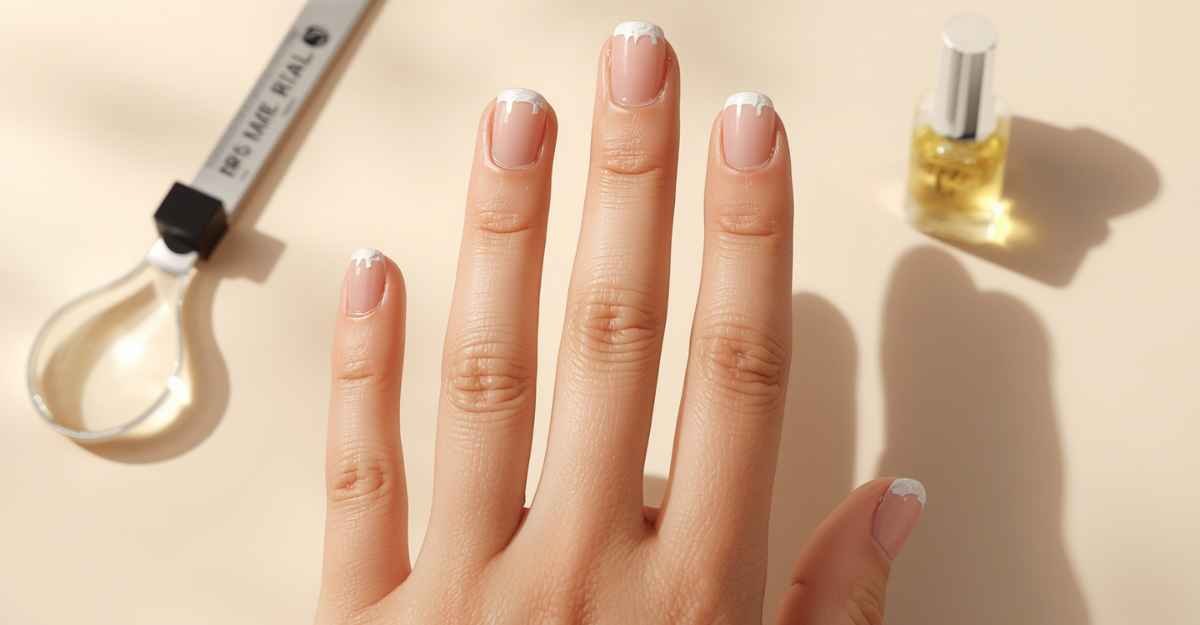
Do you look at your nails and see layers coming off like pages in a book? It is frustrating, especially when you work hard to keep them long and strong. Peeling nails, often called nail delamination, is a common issue for many people. It usually happens because the nail plate layers lose their moisture or bond improperly. You do not have to live with this forever, as most cases come down to simple daily habits.
Nail health is not just about how they look. It is a sign of what is happening on the surface. When you expose your hands to water, harsh chemicals, or rough tools, your nails suffer. This article helps you understand why your nails are peeling and what you can change in your routine to get them back to their best.
The Main Reasons Your Nails Start Peeling
Most of the time, peeling nails are a result of external stress rather than an internal medical problem. Your nails are made of a protein called keratin. Think of them like a stack of transparent shingles. When these shingles dry out, they lift and separate. This is the root cause of peeling.
Water is the biggest enemy of your nail health. When you soak your hands in water, your nails expand. As they dry, they shrink. This constant cycle of swelling and shrinking weakens the bonds between the nail layers. If you wash dishes or take long showers without protection, your nails are likely taking a hit.
Another major cause is the misuse of your nails as tools. If you use your fingertips to peel off stickers, open soda cans, or scrape hard surfaces, you are putting pressure on the nail tip. This force pushes the layers apart. You might not see it happening right away, but over a few days, the tips will start to snag and peel.
How Chemicals Affect Your Nail Structure
We often use products to make our nails look pretty, but some of these can damage them if used incorrectly. If you are a fan of long-wear gel polishes, you might know the struggle of removal. If you force the gel off before it is properly soaked, you are ripping away the top layer of your natural nail plate.
Acetone is also a drying agent. It removes the natural oils that keep your nails flexible. While you need acetone to remove polish, leaving it on too long or using it too often can dehydrate your nails. Over time, this leads to brittleness. If your nails are already peeling, they will break even faster after using harsh solvents.
You should also look at your household cleaning supplies. Many dish soaps and all-purpose cleaners contain chemicals that break down fats and oils. While this is great for your dishes, it is bad for your nail beds. It strips away the protective barrier that keeps your nails from becoming dry and flaky.
Practical Tips to Stop the Peeling
The best way to fix peeling nails is to change how you interact with them every day. Start by keeping your nails short while they heal. Short nails have less surface area to snag on things and are less likely to experience the bending that leads to peeling layers.
Always wear gloves when cleaning the house or doing the dishes. This is the single most effective way to protect your hands from excess water and harsh soap. You can keep a pair of cotton-lined rubber gloves under your sink so they are easy to grab whenever you start a task.
Moisture is your best friend when you are fighting dry, peeling nails. Use a good quality nail oil every night before you go to bed. Look for oils that contain jojoba oil. Jojoba is great because its molecules are small enough to penetrate the nail plate, unlike other heavy oils that just sit on top.
Smart Habits for Stronger Nails
Your filing technique matters more than you might think. Many people use a back-and-forth sawing motion with a rough metal file. This tears the edge of the nail and creates tiny fissures that grow into larger peels. Use a fine-grit glass or crystal file instead. File in one direction only to keep the edge smooth and sealed.
Consider giving your nails a break from color polish once in a while. While polish itself is not usually the problem, the constant cycle of painting and removing can be taxing. If you decide to paint them, choose a formula that is free from harsh chemicals like formaldehyde or excessive amounts of alcohol. These ingredients dry out your nails further.
Be mindful of how you prep your nails. If you use a metal pusher to scrape your nail plate during a manicure, you might be scraping off protective layers. Use a soft orange wood stick to push back your cuticles instead. Treat your nail plate as a delicate surface that needs care rather than a place to be aggressively buffed.
When Should You Be Concerned?
While most peeling is due to daily life, sometimes it can signal something else. If you notice deep horizontal lines, changes in the color of your nail bed, or if your nails become extremely thin and painful, it is time to check with a healthcare professional. These changes are sometimes related to nutritional gaps or other health conditions that require more than just oil and gloves.
Keep an eye on your cuticles as well. If the skin around your nails is red, swollen, or bleeding, you might have an infection. If you notice these symptoms, stop all manicures and harsh treatments immediately. Keep the area clean and dry until you can get proper advice.
For most people, the solution is simply patience. Nails grow out completely every few months. By changing your habits today, you will see a big difference in the quality of the new nail growth within a few weeks. Consistency is the secret to seeing actual results.
Simple Maintenance Routine You Can Follow
You do not need an expensive kit to save your nails. Follow these simple steps to help them recover. First, keep them at a length where they do not bend when you press them against a desk. This prevents the peeling layers from snapping off.
Second, apply a hydrating hand cream that includes your nails in the process. We often focus on our palms and back of the hands, but rubbing lotion into your nail beds helps keep the surrounding skin healthy. Healthy skin supports the growth of healthy nails.
Third, keep a glass file in your purse or at your desk. If you notice a tiny snag, buff it out immediately. If you wait until you get home, that small snag might catch on your sweater or hair and tear off a larger piece of the nail. Dealing with small problems early stops them from becoming big ones.
Mistakes to Avoid
Stop using your nails to pry things open. It is such a common habit that we often do it without thinking. Every time you use your nail as a screwdriver or a scraper, you are weakening the structure. Find a tool for the job. Use a letter opener for mail or the edge of a coin for a stubborn sticker.
Do not buff your nails too often. Buffing makes them look shiny and smooth, but it also thins the nail plate. If your nails are already peeling, thinning them further is the worst thing you can do. Save the buffer for special occasions and only use it gently.
Avoid cheap polish removers that are loaded with high amounts of alcohol. Check the label for ingredients like ethyl acetate, which is generally a gentler option. If you are removing dark or glittery polish, use the soak-and-wipe method instead of rubbing the cotton pad back and forth for minutes at a time.
Final Thoughts on Nail Care
Peeling nails are rarely a permanent problem. By protecting your hands from water, using the right tools, and keeping your nails hydrated, you can stop the layers from separating. Your nails are a reflection of your daily habits, and with a few small adjustments, you will have stronger, healthier nails in no time.
Remember that healthy nails take time to grow. You are effectively growing out the damage from the past few months. Focus on protecting the new growth as it comes in from the base of your cuticle. Be gentle with your hands, and you will see the results on your fingertips.