
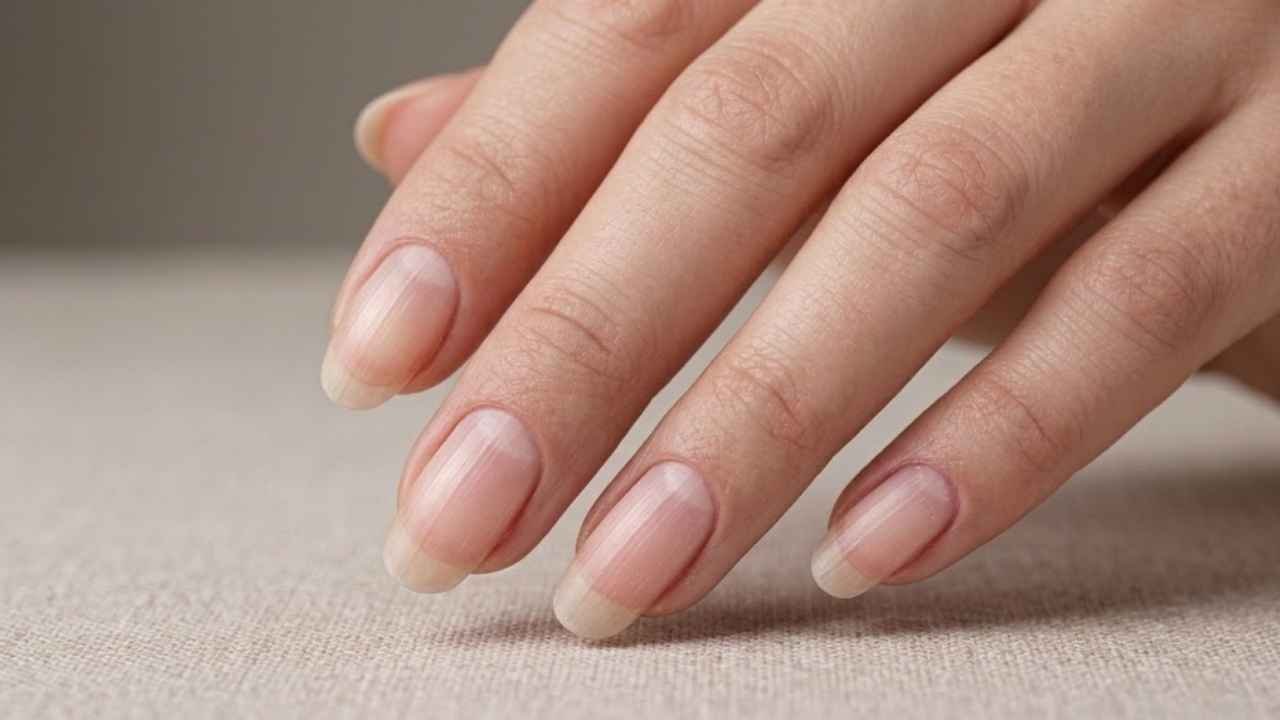
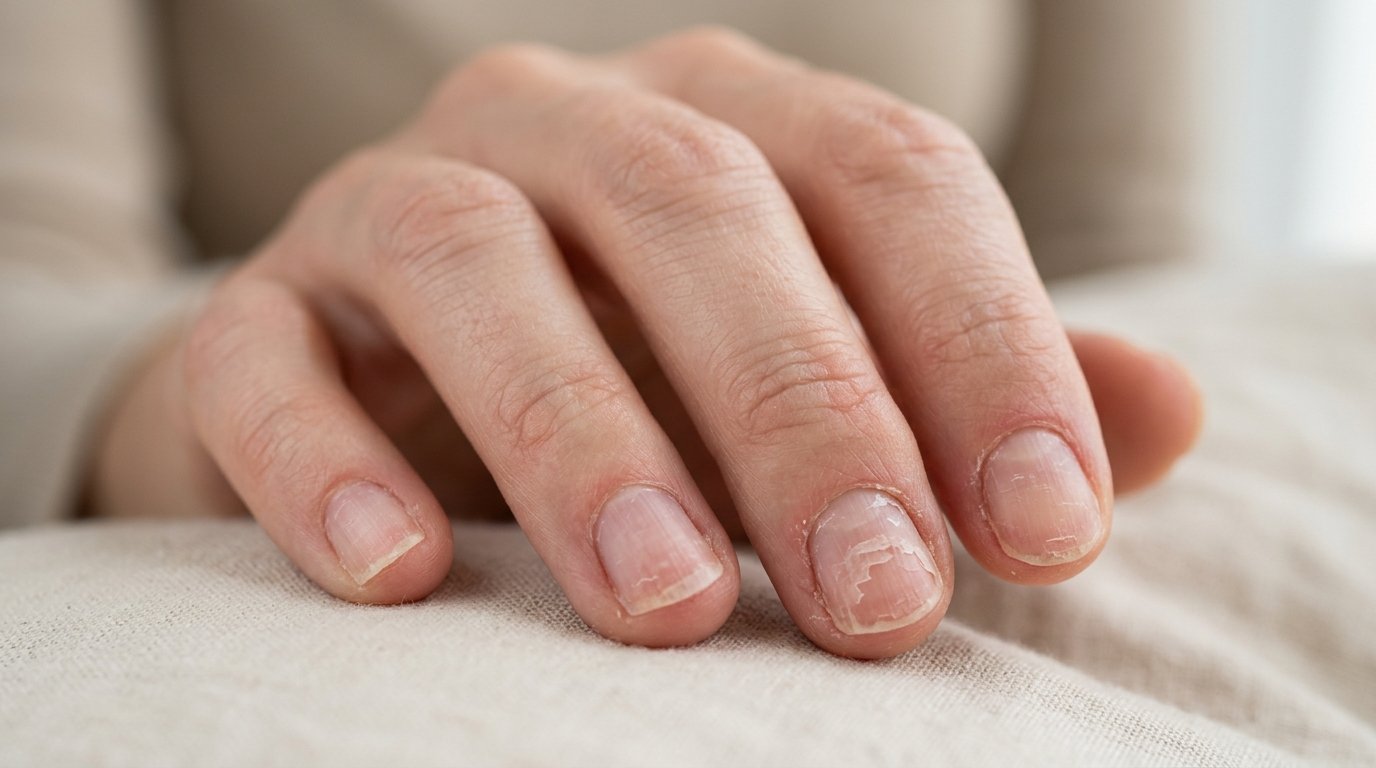
Do you ever run your finger across your fingernails and feel bumps or lines running up and down? Those little ridges can be frustrating, especially when you want your nail polish to look smooth and shiny. Many people notice these lines appearing more as time goes on, and they often wonder if something is wrong with their health.
The good news is that most vertical nail ridges are completely normal. They happen naturally as we grow older, much like tiny wrinkles on the skin. However, sometimes deep ridges point to a lack of moisture or harsh habits that dry out your hands. You do not need expensive salon treatments to fix them. With some simple changes at home, you can smooth out your nails and bring back a healthy glow.
Why Do Ridges Form on Fingernails?
Before you try to fix your nails, it helps to understand why these lines show up in the first place. Nail ridges usually fall into two main categories. You have vertical ridges, which run from your cuticle all the way to the tip of your nail, and horizontal ridges, which go across the nail from side to side.
Vertical ridges are the most common type. They are usually harmless and simply a sign of aging. Just like our skin changes as the years pass, our nail matrix slows down how it produces new cells. This creates slight texture changes on the surface.
Horizontal ridges, on the other hand, often tell a different story. These deep grooves usually mean something stopped your nail growth temporarily. This could be a severe illness, a sudden high fever, a bad reaction to medication, or even a period of high stress. If you notice horizontal lines that look very deep, it is always a good idea to check in with a doctor or a dermatologist to make sure everything is fine inside your body.

Simple Ways to Moisturize Dry Nails
Dryness is a huge reason why nail ridges look much worse than they actually are. When your nail plate lacks natural oils and water, it loses its smooth shine, and every little bump stands out. Fixing this starts with deep hydration.
You wash your hands many times a day. While this keeps you clean, it strips away the natural oils that protect your nails and cuticles. Every time you wash your hands, make a habit of applying a rich hand cream right after. Look for creams that contain shea butter, glycerin, or ceramides.
At night, you can give your hands an extra boost. Apply a thick layer of cuticle oil or pure almond oil to your nails before you go to sleep. Massaging the oil into the skin around your nail bed helps blood flow better, which supports healthy growth over time. Keeping your hands moisturized is a key part of The Best Nail Care Routine for Healthy and Strong Nails that many people forget about.
How to Buff Nails Safely Without Damage
When you want an instant fix for bumpy nails, buffing is the first thing that comes to mind. Buffing uses a fine abrasive tool to file down the top layer of the nail until it looks flat and shiny. While this works fast, you have to be very careful.
If you buff your nails too often or press down too hard, you will make the nail plate thin and weak. Thin nails bend easily, break off, and feel sore. To do it safely, use a four-way buffer with a very fine grit.
Only buff your nails once every few weeks. Move the buffer gently in one direction across the nail instead of rubbing back and forth. Stop the moment your nails feel smooth. You do not want to remove too much of the protective nail surface.
Protecting Your Hands from Harsh Chemicals
Your daily chores might be making your nail ridges worse without you realizing it. Cleaning liquids, dish soaps, and laundry detergents contain strong chemicals that pull moisture right out of your skin and nails.
When you wash dishes or scrub the bathroom floor, wear rubber gloves. Trapping your hands in water and harsh soap for long periods softens the nail plate and causes it to warp, making ridges look much deeper. Wearing gloves creates a strong barrier that keeps your hands safe.
Also, think about the nail polish remover you use. Removers with pure acetone dry out the nail bed terribly. Switch to an acetone-free formula that contains nourishing oils. It takes a few extra seconds to wipe the polish away, but your nails will thank you later.
[IMAGE 2 , Place after this paragraph: visual showing someone wearing rubber gloves while washing dishes]
Vitamins and Foods That Support Nail Health
What you eat shows up on the outside of your body, and your nails are no exception. If your diet lacks certain nutrients, your nails may grow out weak, brittle, and full of ridges.
Protein is the main building block of your nails, which are made of a tough protein called keratin. Make sure you eat enough eggs, lentils, chicken, paneer, or beans every day. B vitamins, especially biotin, also help keep nails strong and thick.
Drinking enough water throughout the day is just as important. Dehydration shows up on your nails just like it shows up on your lips. Keep a water bottle nearby and sip from it regularly so your body stays hydrated from the inside out.
Choosing the Right Base Coat for Ridges
If you love wearing nail polish but hate how ridges show through the color, a regular base coat is not going to cut it. You need a special product made just for this problem.
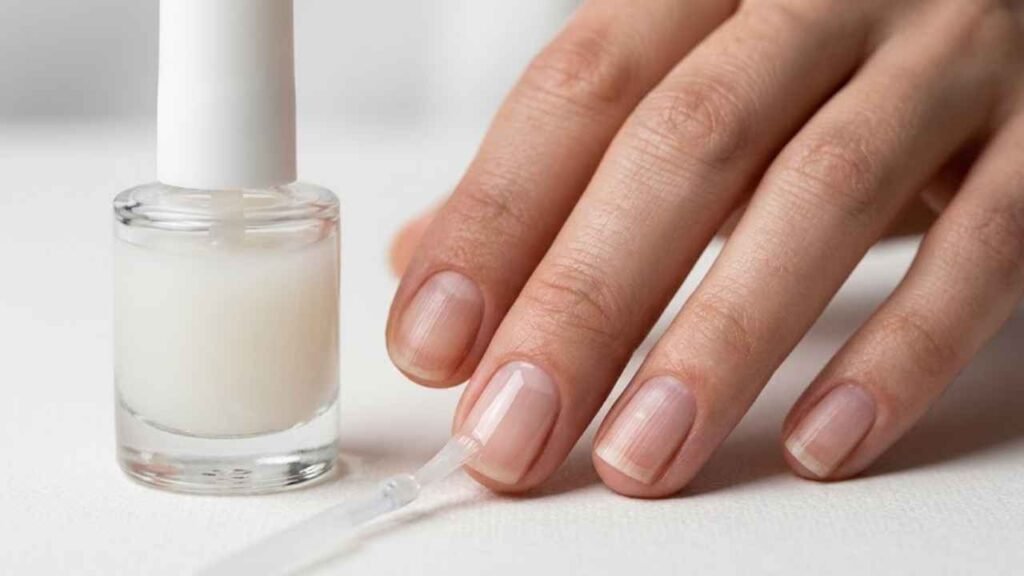
Look for a ridge-filling base coat. These formulas are thicker than normal base coats. They flow into the grooves and fill them up, creating a smooth, flat surface on top of your nail. Once it dries, you can paint your favorite color right over it, and your manicure will look like you just walked out of a professional salon.
Visit The Nails Hub for more easy tips on keeping your hands and manicure looking fresh every single day.
Common Mistakes to Avoid
Many people try to fix nail ridges quickly and end up making things worse. Here are a few common mistakes you should avoid:
- Do not peel off your gel polish or acrylics, because this strips away the top layers of your natural nail and leaves deep grooves.
- Do not use metal nail files on the top surface of your nail plate.
- Do not skip your hand cream just because your hands feel fine for the moment.
- Do not ignore deep horizontal grooves that appear suddenly, as they might need medical attention.
Frequently Asked Questions
Can nail ridges go away completely?
Vertical ridges that come with age usually do not disappear forever, but you can make them look much less noticeable by keeping your hands well-moisturized and using a ridge-filling base coat.
Are nail ridges a sign of a vitamin deficiency?
Sometimes deep ridges or spoon-shaped nails can point to a lack of iron or biotin, but most of the time, simple vertical lines are just a natural part of getting older.
How often should I use a nail buffer?
You should only buff your nails once every three to four weeks. Doing it more often will make your nails too thin and cause them to break easily.
Does drinking more water help fix nail ridges?
Yes. Staying hydrated keeps your nail plate from drying out, which helps reduce the dry, rough look of surface lines.
Can I use coconut oil on my nails?
Coconut oil is wonderful for cuticles and dry hands. Massage a small amount into your nail beds every night before bed to lock in moisture.
Conclusion
Dealing with nail ridges does not have to be a complicated chore. Most of the time, these little lines are completely normal and nothing to worry about. By adding rich moisturizers to your daily routine, protecting your hands from harsh cleaning products, and buffing with care, you can easily keep your nails looking smooth and healthy. Take small steps every day, and your hands will feel soft and look great.



2 thoughts on “How to Fix Ridges on Nails Naturally at Home”