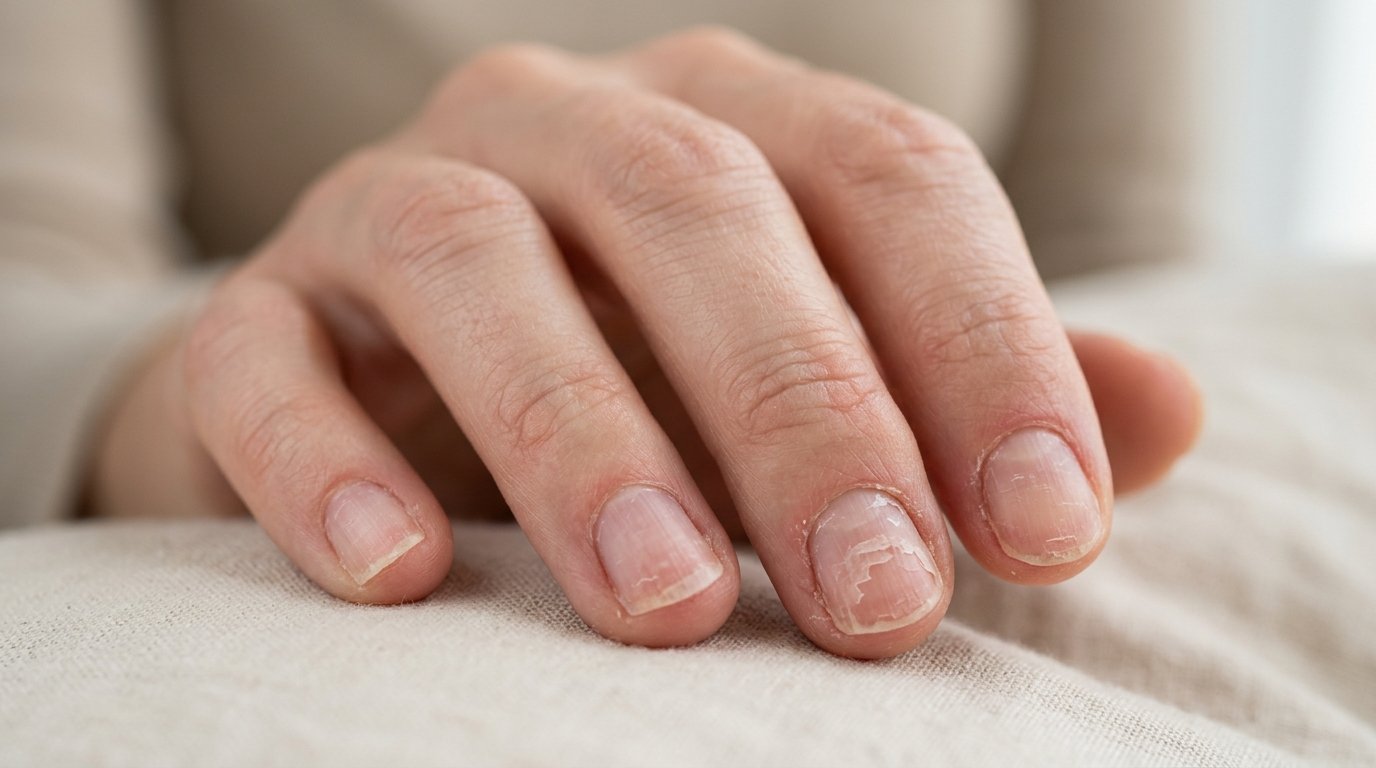
Taking off a fresh set of acrylics often leaves your natural nails feeling paper-thin, sore, and peeling. If you picked or forced the extensions off instead of soaking them properly, you are likely dealing with deep white patches and weak surfaces that bend with the slightest touch. Restoring your bare nails does not require expensive salon treatments or complex chemical products. You can nurse your hands back to health using simple, kitchen-friendly ingredients and gentle daily habits.
Many nail lovers in Pakistan, India, and around the world face this exact problem after festive seasons or wedding events. Heavy salon extensions lock moisture out and trap harsh glues against your nail plates. Once those fake tips come off, your natural keratin layers need serious rescue time. Let us walk through a realistic, step-by-step home recovery plan to get your natural nails strong, smooth, and healthy again.
Assess the Damage and Trim Your Nails Short
The first rule of post-acrylic recovery is accepting a temporary cut. Long nails with thinned-out tips act like levers, meaning they will bend, catch, and tear easily from everyday tasks like typing or opening doors. Grab a clean nail clipper and take your length all the way down until your free edge barely peaks past your fingertip.
Keeping your nails short stops further splitting while the damaged parts grow out. When you file your trimmed nails, avoid sawing back and forth with a metal file. Use a soft glass file or a fine-grit emery board, moving in one smooth direction only. This prevents the fragile layers from fraying even more.
Gentle Cleansing and Moisture Protection
Damaged nails act like dry sponges. They soak up water quickly and swell, which makes them prone to snapping when they dry out again. When you wash dishes or clean your house, wear rubber gloves to protect your hands from harsh detergents and prolonged water contact.
When washing your hands, use mild soap and pat your skin and nails completely dry right after. Never leave your hands wet for long periods. Right after drying your hands, apply a rich hand cream or a specific nourishing treatment. For more tips on keeping your bare hands safe between salon visits, you can read this guide on how to protect your natural nails between manicures.
Daily Oil Massages for Fast Keratin Recovery
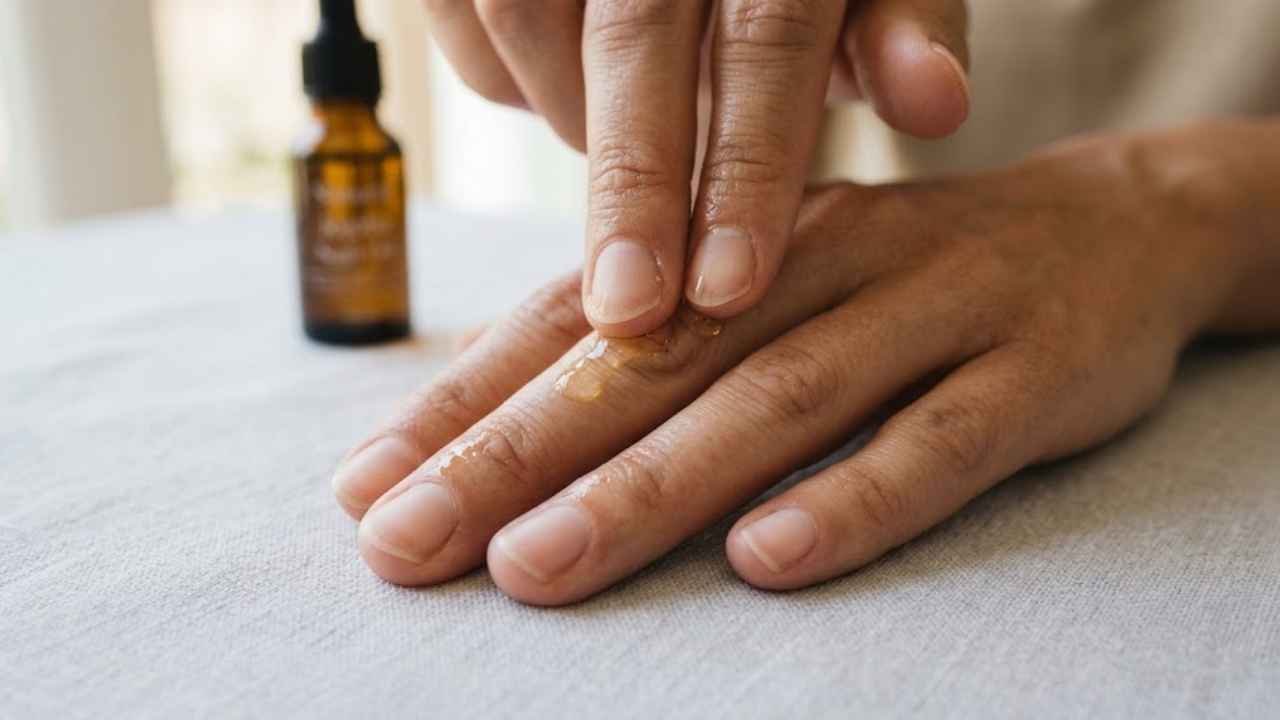
Hydration is the single most important part of healing over-processed nails. Acrylic removal strips away every drop of natural oil from your nail plate and surrounding skin. You need to put that moisture back daily.
Pure coconut oil, sweet almond oil, or olive oil work wonders for this routine. If you have pure jojoba oil in your cabinet, that is even better because its molecular structure matches your skin’s natural sebum. Warm up a few drops of oil and massage it gently into your nail bed, cuticle area, and underneath the free edge every night before bed.
Massaging the skin right at the base of your finger boosts blood circulation. Better blood flow brings vital nutrients straight to your nail matrix, which speeds up healthy, strong new growth. Spend at least one minute on each hand, making the massage a relaxing part of your evening wind-down.
Avoid Polish and Hardeners Temporarily
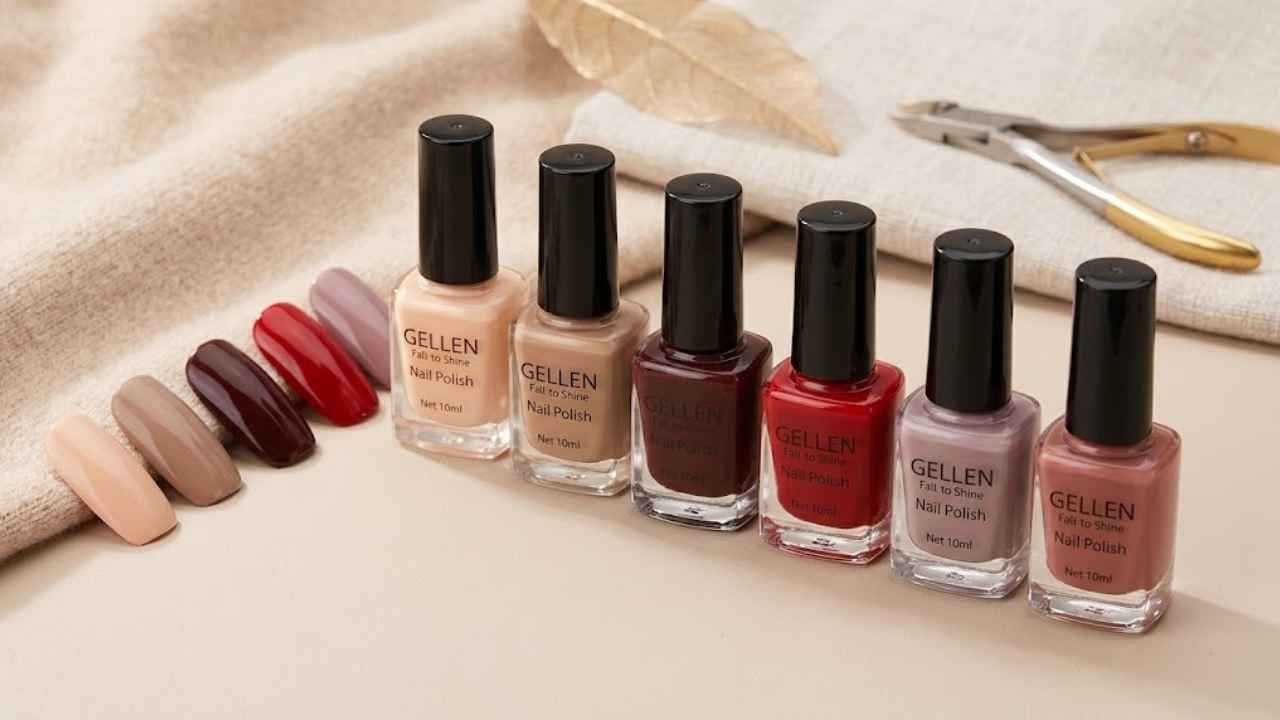
It is tempting to slap on a coat of colored polish or a hardener to hide the unsightly white patches left by acrylic removal. However, standard nail polish removers containing acetone will dry your recovering nails out completely. Even worse, many commercial nail hardeners contain formaldehyde, which can make severely damaged nails brittle and prone to snapping off completely.
Give your nails a complete holiday from polish for at least three to four weeks. Let them breathe, heal, and grow out the thin, damaged sections naturally. If you must wear something for a special occasion, opt for a breathable, water-based treatment polish that nourishes rather than seals.
Eat for Stronger Nails From Within
Topical oils fix the outside, but your diet fuels the inside growth. Since nails are made of a protein called keratin, eating enough protein every day is essential. Include lentils, beans, eggs, chicken, paneer, and nuts in your daily meals.
Biotin and iron deficiencies often show up as weak, peeling nails. Local foods like spinach, sweet potatoes, walnuts, and dairy products give you a natural boost of these nutrients. Staying hydrated by drinking plenty of water throughout the day also keeps your nail plates from drying out from the inside.
Common Mistakes to Avoid During Recovery
When your nails look rough and peeling, it is easy to make mistakes that delay healing. Keep these common traps in mind:
- Never pick or peel off remaining bits of acrylic or base gel. You will pull off layers of your actual nail with them.
- Do not use metal instruments to push back raw, sensitive cuticles. Use a soft wooden orange stick instead.
- Avoid harsh hand sanitizers with high alcohol content right after removing extensions, as they strip moisture instantly.
- Do not test how strong your nails are by bending them. Treat them with extreme care until fresh growth replaces the damaged area.
Frequently Asked Questions
How long does it take for nails to recover from acrylics?
Complete recovery depends on how fast your nails grow, which usually takes between three to six months for a brand new, undamaged nail to grow from base to tip. You will see major improvements in texture and strength within the first month of proper oiling.
Should I buff the white peeling spots off my nails?
No, you should avoid buffing. Buffing removes more thickness from an already paper-thin nail plate, leaving it weaker and more painful. Let the rough layers grow out naturally.
Can I use petroleum jelly instead of cuticle oil?
Petroleum jelly helps lock in moisture, but it does not penetrate the nail plate as deeply as natural plant oils like jojoba or almond oil. You can layer petroleum jelly over your oil at night for extra sealing power.
Is it safe to get another set of acrylics while healing?
Putting new acrylics over damaged, peeling nails is never a good idea. The harsh glues and filing will make the existing damage much worse and can lead to painful lifting or infections.
Why do my nails hurt after removing acrylics?
The pain usually happens because the natural nail plate was filed down too aggressively during the original application or the extensions were forcefully ripped off, exposing the sensitive nerve endings in your nail bed.
Conclusion
Healing damaged nails from acrylics takes patience, consistency, and a break from harsh salon chemicals. By keeping your nails trimmed short, protecting them from excess water, and committing to nightly oil massages, you give your body the tools it needs to repair itself naturally. Listen to your hands, give them time to rest, and you will soon enjoy strong, healthy nails without any artificial help.