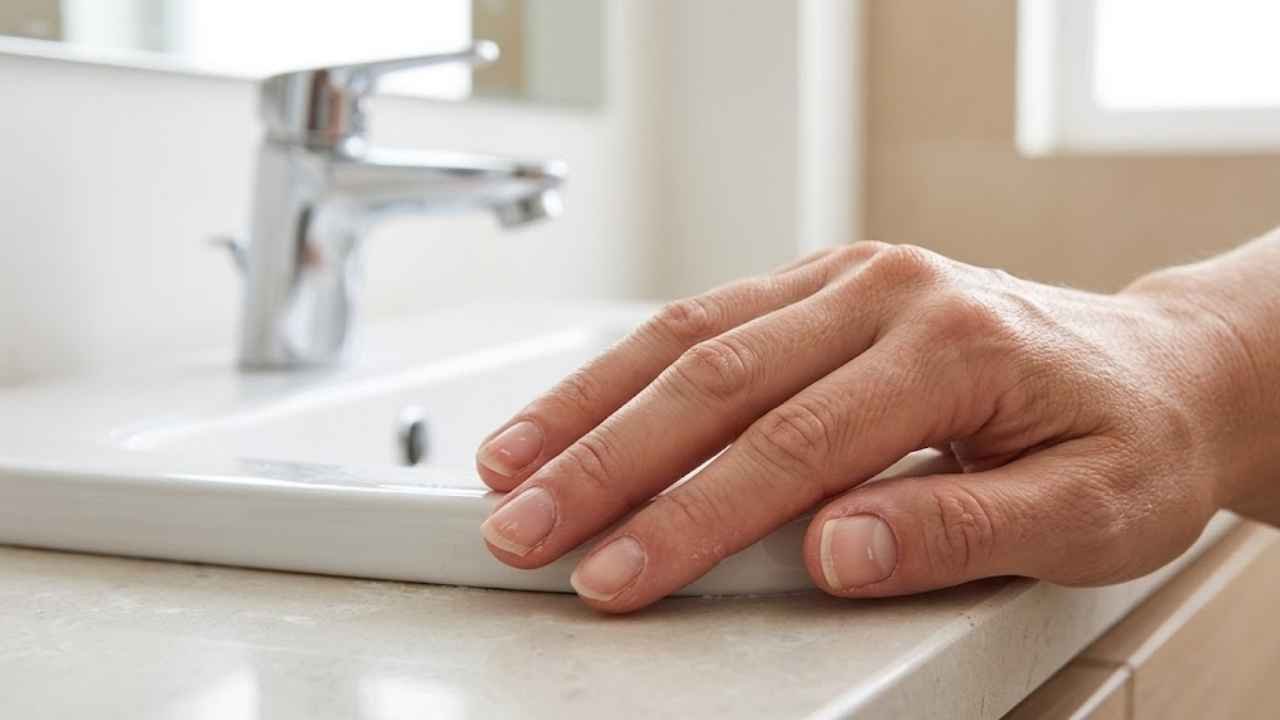
Do you notice your nails feeling dry and breaking easily after every shower? Hard water might be the hidden reason behind your weak nails. Many people in regions with hard tap water struggle with constant nail peeling, white spots, and slow growth. Water that is heavy in minerals like calcium and magnesium leaves a dry layer on your skin and nails every time you wash your hands or take a bath.
Over time, these heavy minerals strip away your natural oils and leave your nail plates parched. If you love keeping your hands clean but hate dealing with brittle fingertips, you need a solid strategy to fight back. Let us look at why hard water damages your hands and how you can protect your natural length right from your bathroom sink.
Understanding How Hard Water Affects Your Nail Health
Hard water contains a high concentration of dissolved minerals. When these minerals touch your hands daily, they do not just wash away clean. They stick to the surface of your skin and nails. As the water evaporates, it leaves behind a chalky, mineral crust that blocks moisture from getting inside.
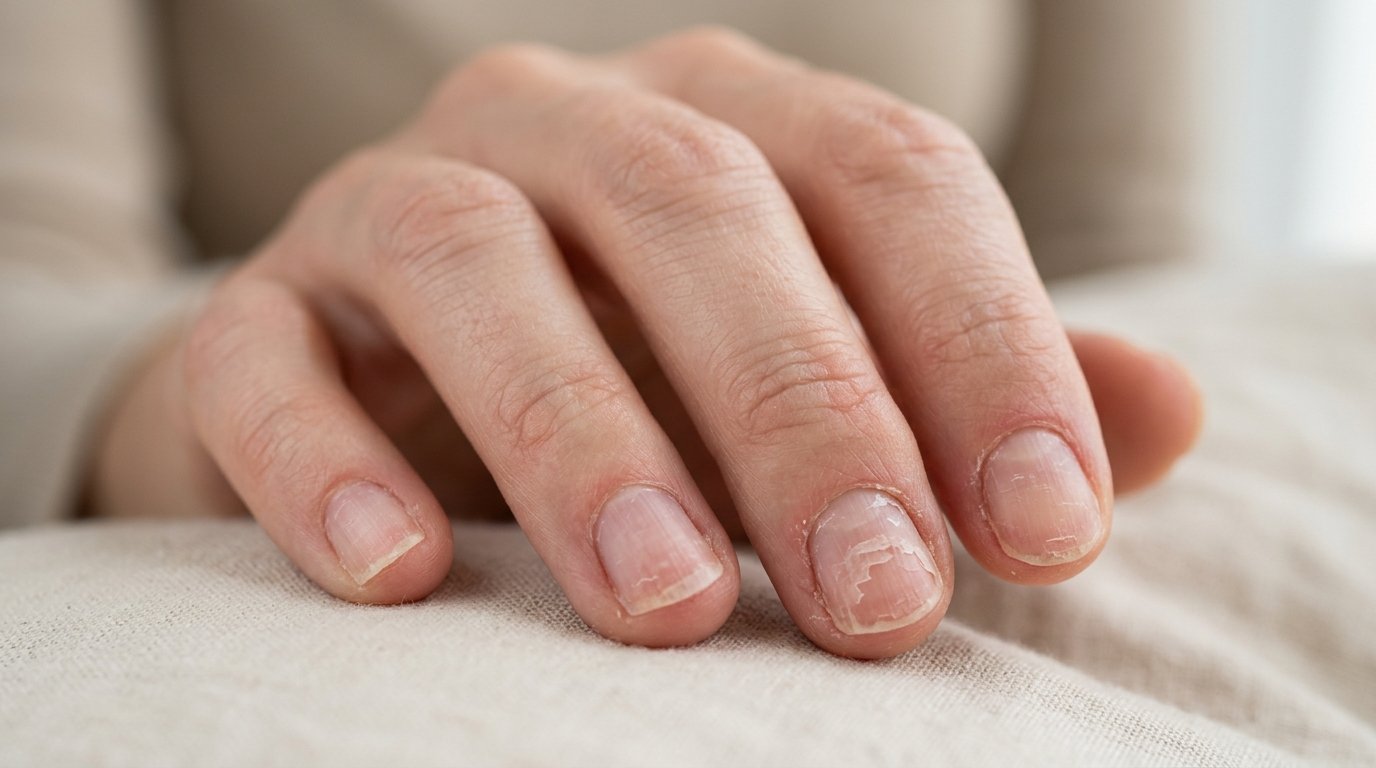
Your nails need a delicate balance of moisture and natural oils to stay flexible. When hard minerals lock that moisture out, your nail plates become stiff. Stiff nails cannot bend when you bump them against hard surfaces. Instead, they snap, split, or peel apart in layers. This constant drying cycle makes growing long, healthy nails feel impossible no matter how much lotion you apply.
Frequent hand washing makes this problem worse. If you wash your hands ten times a day with hard tap water, you are baking those drying minerals deeper into your nail beds. People living in areas with hard water often notice rough cuticles and white, chalky edges around their nail folds. Learning how to manage this daily exposure changes everything for your manicure routine.
Simple Ways to Shield Your Nails From Mineral Buildup
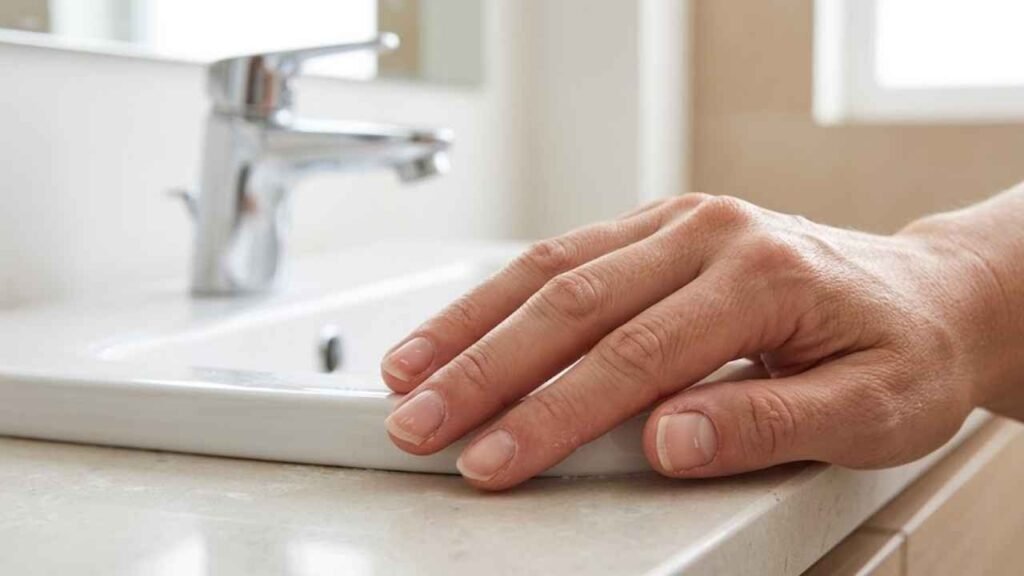
Protecting your hands from mineral damage does not mean you have to stop washing them. You just need to change a few small daily habits. The easiest way to stop hard water damage is to create a physical barrier between your skin and the tap water.
Always keep a pair of rubber gloves nearby for washing dishes, cleaning the kitchen, or scrubbing the bathroom. Prolonged soaking in soapy hard water is the fastest way to ruin your nail strength. If you are washing a few cups, slip your gloves on first. Your nails will thank you later.
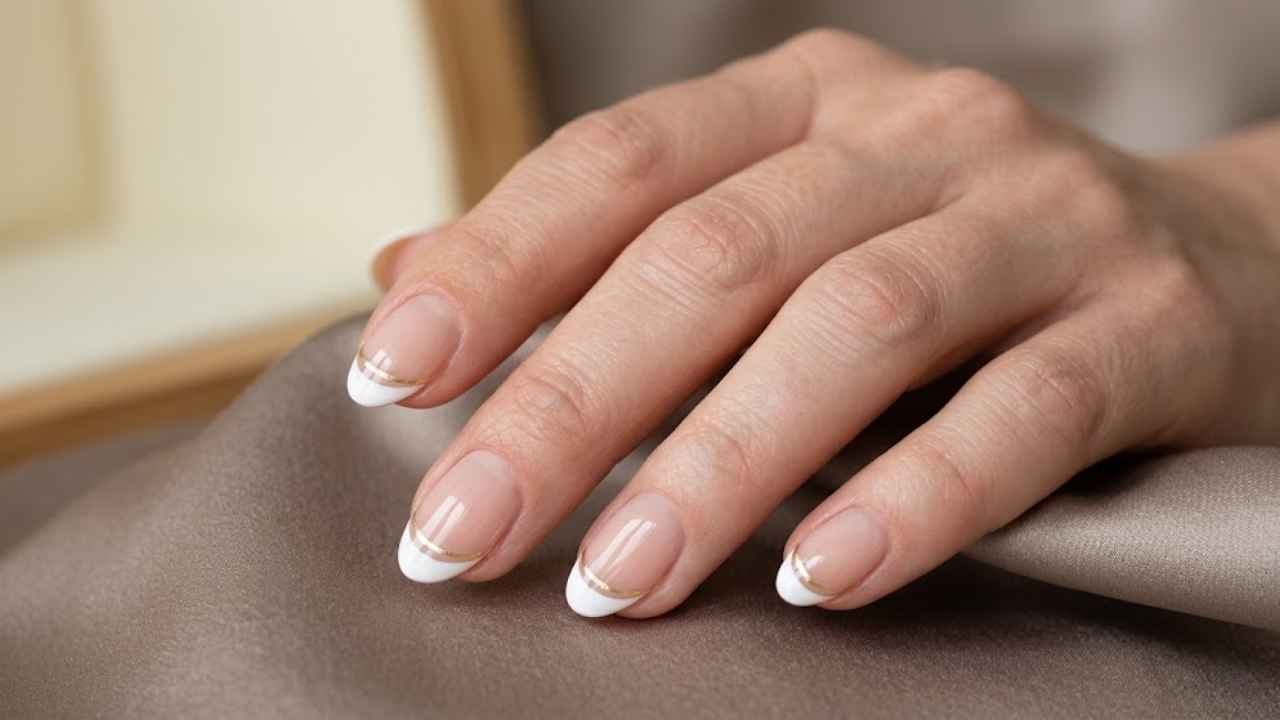
Another smart upgrade is installing a filtered showerhead or a sink filter in your home. These small filters trap heavy minerals before the water ever touches your skin. If you want a more stylish look for your hands while keeping them protected, you can check out trends like Milky White Chrome Nails: The Clean Girl Trend You Need Right Now, but always apply a protective base coat to seal your nail plates against moisture loss first.
Building an Effective At-Home Nail Recovery Routine
If your nails already feel rough and dry from mineral exposure, you need a targeted recovery plan. Reversing hard water damage is all about deep hydration and locking that moisture in. You want to replace the natural oils that the minerals washed away.
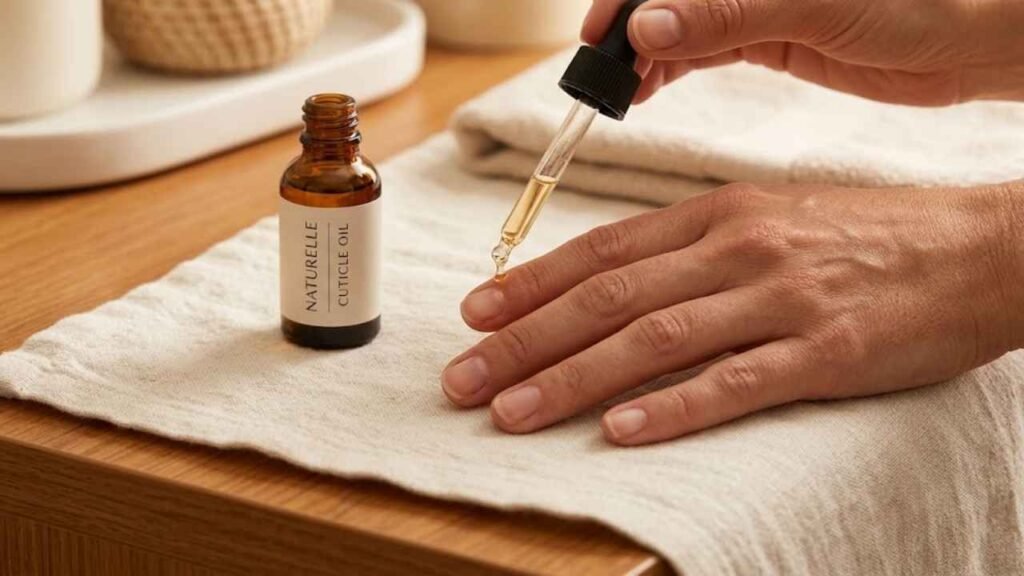
Start your routine by gently pushing back your cuticles after a warm shower when they are soft. Avoid harsh metal tools that can scrape your delicate nail plate. Next, invest in a quality cuticle oil or a rich hand balm. Massage a few drops of oil into your nail roots every single night before you go to sleep.
Look for nourishing ingredients that restore softness without feeling sticky:
- Jojoba oil
- Sweet almond oil
- Vitamin E drops
- Shea butter
Massaging your nail bed stimulates blood flow, which helps your fingers grow stronger over time. Consistency is the secret here. Applying oil once a month will not fix mineral damage. Doing it every night builds a strong shield against daily dryness.
Mistakes to Avoid When Dealing With Brittle Nails
When your nails start breaking, it is easy to panic and try too many products at once. However, some common habits actually make hard water damage worse. Knowing what to avoid saves you time, money, and frustration.
Never pick at peeling nail layers. When hard water dries out your tips, the top layers of the nail plate might start to lift. Tearing or biting these pieces off pulls away healthy layers underneath, leaving your nails paper thin. Always use a fine glass file to gently shape away loose edges instead.
Another mistake is relying on harsh acetone polish removers too often. Acetone strips away whatever little moisture your nails managed to keep. If you love changing your nail polish shades often, switch to an acetone-free formula. Give your bare nails a break of a few days between manicures to let them breathe and drink in some nourishing hand cream.
Frequently Asked Questions About Hard Water and Nail Care
Does hard water stop nails from growing?
Hard water does not stop nail growth entirely, but it makes nails so weak and brittle that they break off before you can notice any length. Protecting your tips from mineral buildup helps you retain your length.
Can I use bottled water to wash my hands?
Using bottled or filtered water for every hand wash is usually impractical. Instead, focus on applying a rich hand cream immediately after washing your hands to seal the moisture back in before the minerals cause damage.
How do I know if my tap water is hard?
If you see a crusty white buildup around your faucets, showerheads, or glass cups after drying, you likely have hard water. You might also notice that soap does not lather very easily.
Are gel manicures safe for hard water nails?
Gel manicures can act as a great protective shield against water because they seal the nail plate completely. Just make sure you remove them properly without scraping your natural nails.
How often should I apply cuticle oil?
For the best results against mineral dryness, apply your favorite cuticle oil at least once every night before bed. You can also reapply a tiny drop during the day after washing your hands.
Conclusion
Dealing with hard water damage can feel frustrating when you just want a clean, polished look for your hands. By understanding how heavy minerals dry out your nail plates, you can take simple steps to protect your skin and nails every day. Simple habits like wearing gloves while cleaning, installing a basic tap filter, and massaging nourishing oils into your cuticles will completely change the health of your hands. Take care of your fingertips today, and enjoy strong, beautiful nails that last.

1 thought on “How to Protect Your Nails From Hard Water Damage at Home”