Protecting Your Manicure with a Quality Top Coat
Once the color has been applied successfully, the final step is sealing everything with a high-quality top coat. Many people underestimate its importance, yet it is the layer that protects the manicure from scratches, fading, and everyday wear.
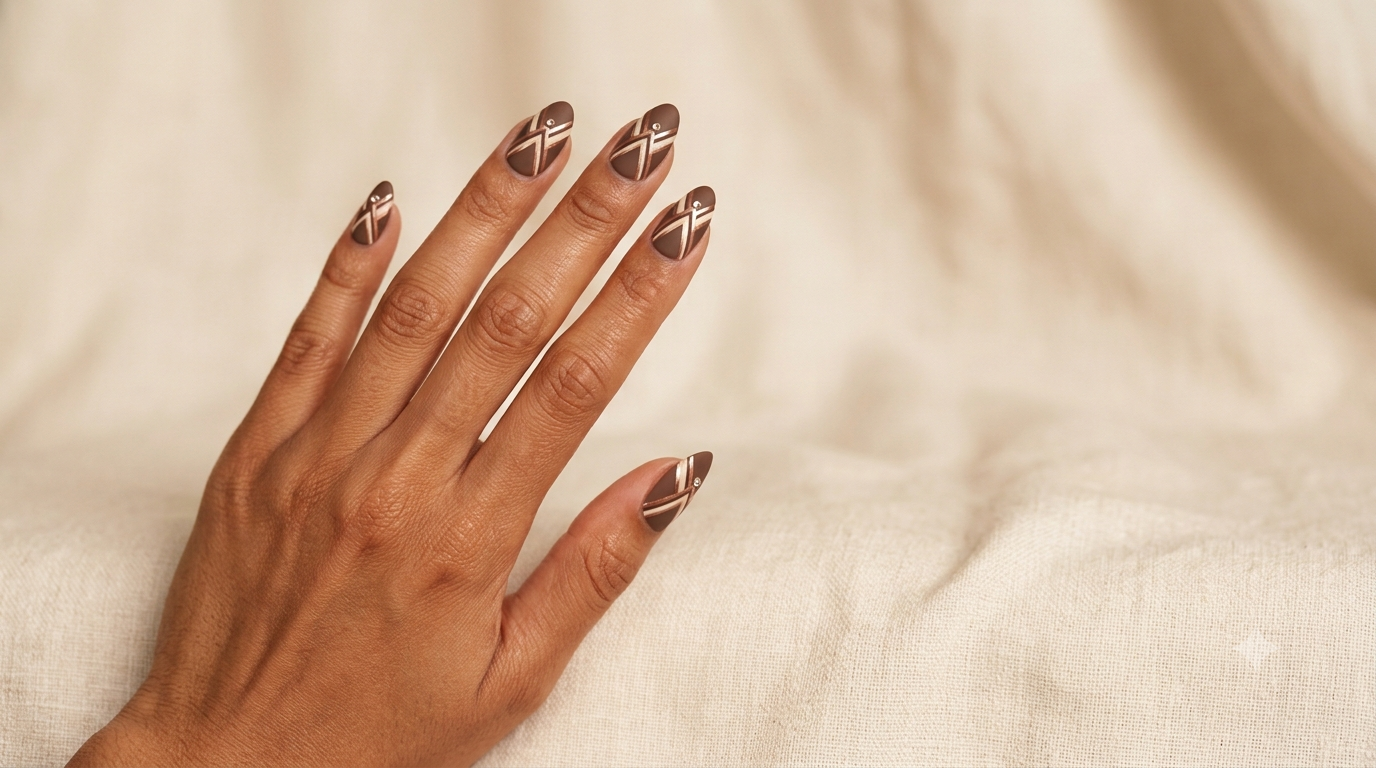
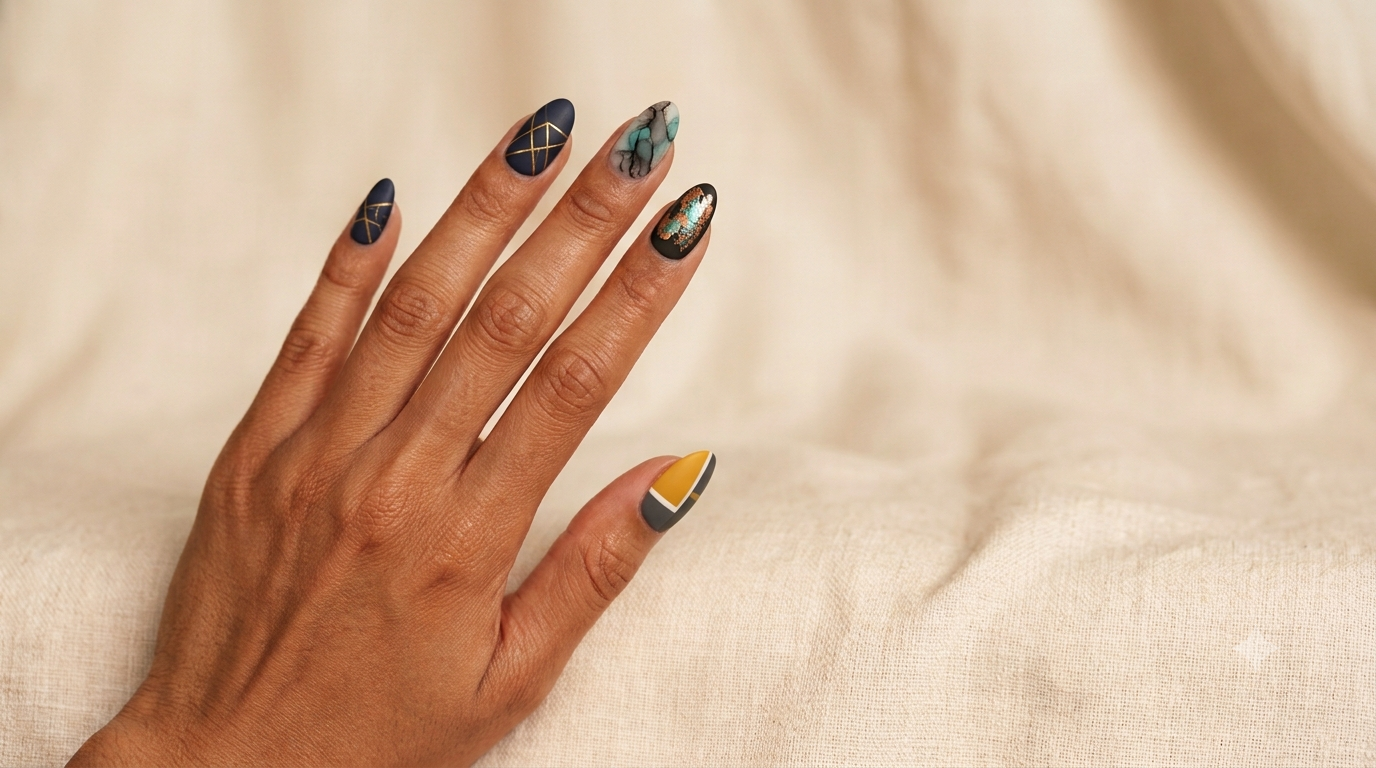
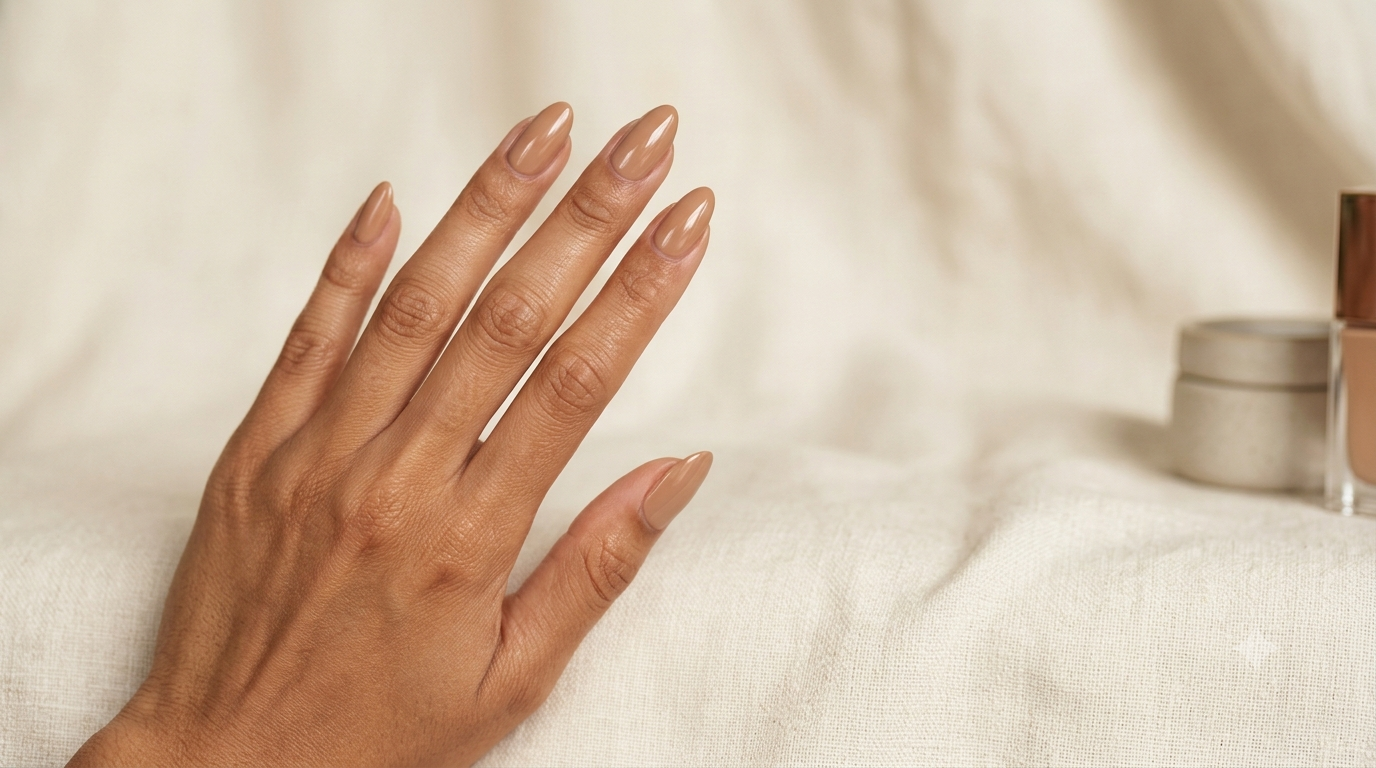
A glossy top coat enhances shine and creates the appearance of freshly painted nails for several days. Matte top coats, on the other hand, provide a soft velvet finish that has become increasingly popular in minimalist nail trends. Regardless of the finish you choose, the primary purpose of the top coat is to create a protective barrier between your nail polish and the outside world.
Professional nail technicians often recommend applying a fresh layer of top coat every two or three days. This simple habit refreshes the shine while strengthening the protective layer, helping the manicure remain chip-resistant for much longer.
When applying the top coat, remember to seal the free edge of the nail just as you did with the colored polish. This additional protection helps prevent lifting at the nail tips, where damage usually begins.
Daily Habits That Keep Nail Polish Looking New
Even the highest-quality nail polish can begin to chip if everyday habits are not considered. The hands are constantly exposed to water, soap, cleaning products, sunlight, and physical impact, all of which gradually weaken the manicure.
Wearing protective gloves while washing dishes or cleaning the house is one of the easiest ways to increase the lifespan of your manicure. Household cleaning products often contain chemicals that slowly break down nail polish, making it more likely to peel or lose its shine.
Moisturizing your hands and cuticles every day also plays an important role. Healthy cuticles improve the overall appearance of your manicure, while hydrated nails are less likely to become brittle or develop small cracks that can affect the polish.
Avoid using your nails as tools to open packages, scrape labels, or lift can tabs. Repeated pressure on the nail tips places unnecessary stress on the polish and often causes chips that could have been avoided.
Long periods of soaking your hands in hot water should also be limited whenever possible. Excess moisture causes natural nails to expand slightly and then contract as they dry, creating movement beneath the polish that eventually leads to cracks.
Choosing the Right Nail Polish Formula
Not every nail polish performs the same. Modern formulas have improved significantly over the past few years, offering better durability, smoother application, and faster drying times.
Long-wear nail polishes are designed to resist chipping for up to a week or more when applied correctly. Gel-effect polishes provide a thick, glossy finish that closely resembles a professional gel manicure without requiring a UV lamp.
Quick-dry formulas are ideal for busy lifestyles because they reduce the amount of time during which dust, fabric, or accidental contact can damage freshly painted nails. However, even quick-dry polishes should be allowed enough time to cure completely before exposing them to heavy use.
Investing in trusted nail polish brands often produces better results because premium formulas typically contain higher-quality ingredients that improve adhesion and durability. While they may cost slightly more, the longer-lasting finish often makes them a worthwhile investment.
Common Mistakes That Cause Early Chipping
Many manicure problems are caused by simple mistakes that can easily be avoided. One of the most common is painting nails immediately after applying hand cream or cuticle oil. Oils create a barrier that prevents the polish from bonding properly with the nail surface.
Another mistake is shaking the nail polish bottle vigorously. This introduces tiny air bubbles that can appear on the nail during application. Rolling the bottle gently between your hands mixes the polish more effectively without creating bubbles.
Applying thick coats remains another frequent problem. Thick layers may appear fully opaque immediately, but they dry unevenly and are far more likely to dent or chip within a short period.
Skipping drying time between coats is equally damaging. Each layer needs enough time to settle before the next is applied. Rushing the process often traps solvents beneath the surface, weakening the overall manicure.
Finally, neglecting regular maintenance shortens the lifespan of any manicure. Small chips should be repaired promptly instead of waiting until more extensive damage develops.
Signs It’s Time to Remove Your Nail Polish
Although extending the life of your manicure is desirable, keeping polish on for too long is not always beneficial. When large chips appear, the shine disappears completely, or lifting begins around the edges, it is usually better to remove the polish and start with a fresh manicure.
Leaving damaged polish on the nails for extended periods can make them appear neglected and may encourage peeling if the loose edges continue catching on clothing or everyday objects.
Removing polish gently with a quality remover, moisturizing the nails afterward, and allowing them occasional breaks between manicures helps maintain healthy natural nails over the long term.
Frequently Asked Questions
Why does my nail polish chip after one day?
The most common causes include skipping the base coat, applying thick layers, insufficient drying time, oily nail surfaces, or frequent exposure to water and household chemicals.
Does expensive nail polish last longer?
Higher-quality formulas often provide better durability, smoother application, and stronger adhesion. However, proper preparation and application techniques are equally important.
How often should I apply a new top coat?
Applying a fresh layer every two or three days helps restore shine and strengthens the protective barrier, extending the life of your manicure.
Can healthy nails improve manicure longevity?
Yes. Strong, smooth, and well-moisturized nails provide a better foundation for nail polish, making chips and peeling less likely.
Conclusion
A beautiful manicure is not achieved through expensive products alone. Careful nail preparation, thin polish layers, a reliable base coat, and regular maintenance all work together to create a finish that remains smooth, glossy, and chip-free for much longer. By following these simple techniques, you can enjoy salon-quality results at home while protecting the health of your natural nails.
If you are building your nail care collection, consider investing in a high-quality base coat, long-wear nail polish, nourishing cuticle oil, and a durable top coat. These essential products can dramatically improve the appearance and longevity of every manicure, making them valuable additions to your beauty routine and ideal recommendations for affiliate links on The Nails Hub.